Physical Address
304 North Cardinal St.
Dorchester Center, MA 02124
Physical Address
304 North Cardinal St.
Dorchester Center, MA 02124


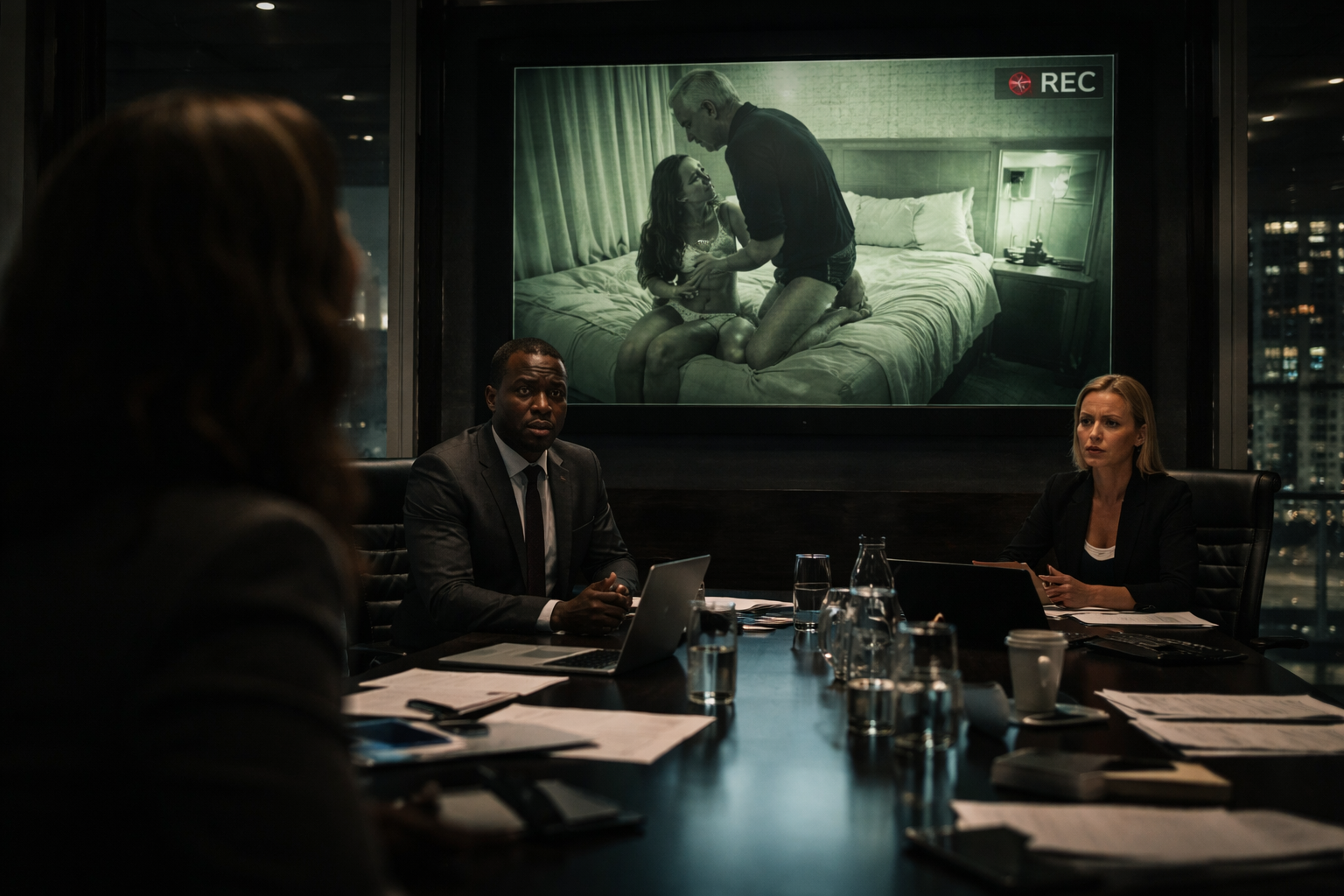
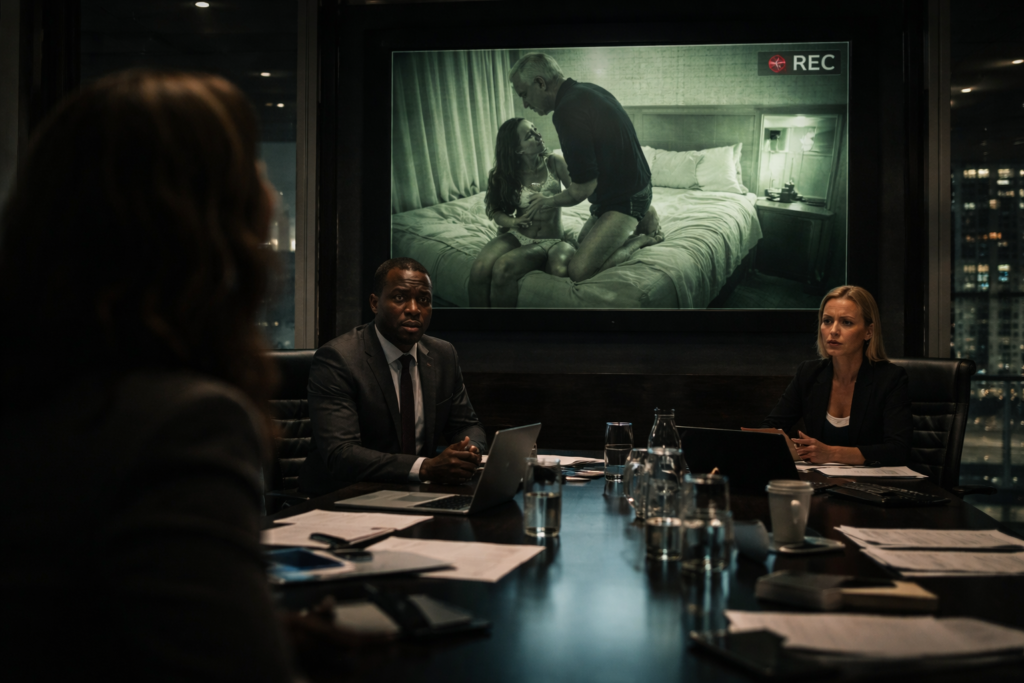
Season 4 of Industry continues to tighten the screws, and Episode 6, “I’ve Seen Footage,” delivers one of the most emotionally destabilizing hours of the series so far. In an installment that blends corporate warfare with personal reckoning, the show reminds viewers that in high finance, information is power — and footage can be fatal.
The episode opens with mounting tension inside the firm as Harper Stern maneuvers aggressively to consolidate her position. After weeks of strategic positioning and risky bets, she appears closer than ever to achieving the kind of dominance she has always craved. Harper thrives in chaos, but this time the stakes feel different. There is a brittleness to the environment — a sense that one wrong move could collapse not just a deal, but careers and reputations built over years.
The title, “I’ve Seen Footage,” becomes both literal and thematic. Midway through the episode, a bombshell drops in the form of incriminating video evidence that threatens to unravel everything. The footage implicates a powerful senior figure within the firm, forcing a reckoning that is as moral as it is strategic. The show handles this revelation with chilling restraint. Instead of sensationalism, it leans into quiet devastation: phone screens lighting up in dark rooms, unreadable expressions, the suffocating silence after truth surfaces.
For Eric Tao, the episode becomes a crucible. Long portrayed as sharp, pragmatic, and occasionally ruthless, Eric is suddenly vulnerable. The footage not only compromises him professionally but strikes at the core of his identity. Over the course of the hour, we watch him cycle through denial, anger, and a reluctant acceptance that the game he has mastered may finally be out of his control. His interactions with Harper are especially charged. Their mentor-protégé dynamic, once defined by competition and grudging respect, shifts into something more tragic. Harper senses opportunity, but she also recognizes the cost.
Harper herself remains one of television’s most fascinating antiheroes. Episode 6 places her at a moral crossroads. On one hand, she understands the brutal calculus of the industry: survival often requires sacrifice. On the other, she cannot entirely detach herself from the human consequences of the scandal unfolding before her. The camera frequently lingers on her face, capturing the internal negotiation between ambition and empathy. In classic Industry fashion, the show refuses to give us easy answers about which side she ultimately chooses.
Elsewhere, tensions ripple through the wider cast. Yasmin grapples with the fragility of her alliances and the precariousness of her position within the firm’s power structure. Her storyline underscores a recurring theme of the season: image versus reality. In a world obsessed with optics — polished presentations, curated personas, strategic messaging — the rawness of the exposed footage feels almost apocalyptic. It is proof that no one is untouchable.
The corporate subplot involving the firm’s larger strategic moves continues to simmer in the background, but in this episode, business serves as the arena rather than the focus. Deals and numbers matter, yet they feel secondary to reputation management and crisis control. Boardrooms become war rooms as executives scramble to contain fallout. Lawyers are consulted. Public relations strategies are drafted. Every decision is weighed against potential leaks, investor reactions, and regulatory consequences.
Stylistically, “I’ve Seen Footage” stands out for its restraint. The soundtrack is sparse, allowing uncomfortable silences to stretch longer than usual. Scenes are often lit starkly, emphasizing the clinical nature of the corporate environment. When music does appear, it underscores the emotional undercurrents rather than dictating them. The result is an atmosphere thick with dread.
By the final act, the episode pivots toward consequence. Eric faces a choice that will define not only his legacy but the future of the firm. Without resorting to melodrama, the show frames his decision as both inevitable and heartbreaking. Harper’s reaction suggests that victory in this world is rarely pure; it is stained with compromise.
The closing moments are deliberately ambiguous. We are left with lingering questions about loyalty, accountability, and whether redemption is possible in a system designed to reward aggression. As the credits roll, the message is clear: in Industry, the past is never truly buried. It can resurface at any moment — captured, replayed, weaponized.
With Episode 6, Season 4 reaches a boiling point. “I’ve Seen Footage” is less about shock value and more about exposure — of secrets, of character, of the fragile scaffolding holding this financial empire together. It is a reminder that in the age of constant surveillance and digital memory, the most dangerous asset in the room might not be a rival trader, but a recording waiting to be played.